
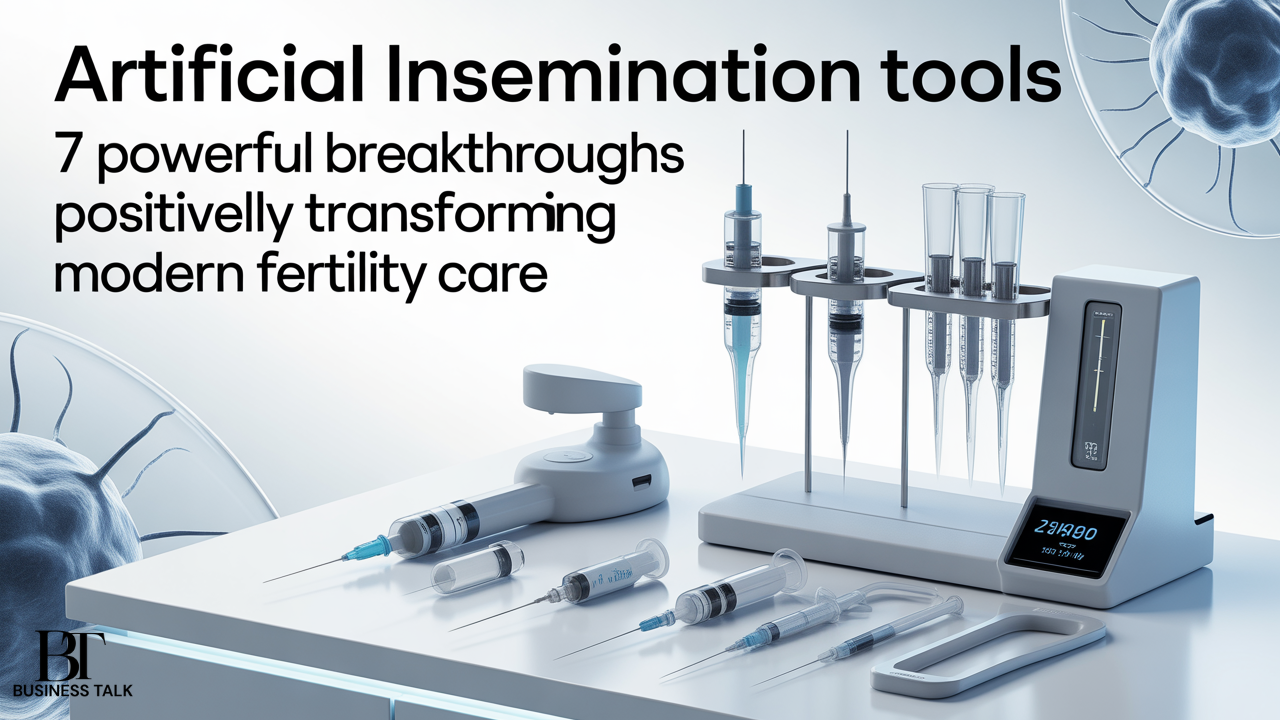
Artificial Insemination Tools 7 Powerful Breakthroughs Positively Transforming Modern Fertility Care
Introduction
Modern fertility care has entered a transformative era, and artificial insemination tools are at the heart of this change. Across the United Kingdom, fertility clinics are increasingly relying on advanced medical instruments to support individuals and couples on their reproductive journeys. What was once viewed as a niche medical intervention is now a mainstream, carefully regulated practice grounded in science, compassion, and innovation. As social awareness grows and medical technology advances, understanding how these tools work has become essential for patients seeking clarity and confidence.
Artificial insemination has evolved far beyond its early methods. Today, procedures are supported by refined devices that prioritise precision, safety, and patient comfort. Consequently, fertility outcomes continue to improve while ethical standards remain firmly protected under UK regulations.
The Science Behind Artificial Insemination Tools
Understanding the Medical Process
Artificial insemination involves the controlled placement of sperm into the female reproductive system using clinical methods. The procedure is designed to bypass certain fertility challenges while increasing the likelihood of conception. In the UK, strict oversight ensures that each step follows evidence based practices and patient safety protocols.
At the centre of this process are artificial insemination tools, which allow clinicians to handle delicate biological material with accuracy. These tools ensure sperm placement occurs at the optimal time and location, directly influencing the success of the treatment.
Why Precision Equipment Matters
Fertility treatments demand exceptional accuracy. Even minor inconsistencies can affect outcomes. Therefore, tools used during insemination are engineered to minimise contamination, maintain sterility, and provide controlled delivery. Research indexed on Google Scholar consistently highlights that precision equipment significantly enhances treatment reliability.
Essential Instruments Used in Fertility Clinics
Catheters and Delivery Devices
Among the most critical instruments are insemination catheters. These thin, flexible tubes are designed to deliver sperm gently and accurately. Modern designs prioritise comfort while ensuring precise placement, which reduces uterine irritation and improves patient experience.
Syringes used alongside catheters allow clinicians to regulate flow and pressure. Together, these artificial insemination tools form the foundation of the insemination process, combining simplicity with effectiveness.
Sperm Preparation Equipment
Before insemination occurs, sperm samples undergo careful preparation. Centrifuges, incubators, and culture media help isolate healthy sperm and maintain optimal conditions. These steps are essential, as studies show that properly prepared samples increase fertilisation potential.
According to findings frequently cited in reproductive health research, careful handling improves sperm motility and overall viability.
Supporting Examination Instruments
Speculums and cervical access devices also play a supporting role. Although familiar from routine examinations, modern versions are designed for improved ergonomics and patient comfort. These enhancements contribute to smoother procedures and reduced anxiety.
Technology Driving Innovation in Fertility Care
Integration With Imaging and Monitoring
While insemination itself is straightforward, advanced imaging systems support timing and accuracy. Ultrasound technology helps clinicians identify optimal fertility windows, indirectly strengthening the effectiveness of artificial insemination tools.
Digital monitoring systems further enhance care by tracking cycles, hormone levels, and previous outcomes. This data driven approach allows clinics to tailor treatments to individual needs.
Continuous Research and Development
Medical device manufacturers continue refining materials and designs used in fertility care. Innovations such as antimicrobial coatings and improved flexibility have raised safety standards. Research published through Google Scholar demonstrates that even subtle design improvements can positively affect outcomes.
As one fertility specialist explains, “Precision instruments elevate care quality, ensuring every procedure reflects both scientific excellence and patient respect.”
Ethical Oversight and UK Regulations
Maintaining Trust Through Regulation
In the United Kingdom, fertility treatments operate under strict legal frameworks. The Human Fertilisation and Embryology Authority regulates clinical practice, while the Medicines and Healthcare products Regulatory Agency oversees device safety. This dual system ensures that artificial insemination tools meet rigorous standards before clinical use.
Such oversight builds patient trust and ensures consistent quality across clinics nationwide.
Responsible and Inclusive Care
Ethical considerations remain central to fertility medicine. From informed consent to donor screening, responsible use of technology is essential. Tools are continually adapted to support diverse family structures, reflecting the UK’s commitment to inclusive healthcare.
Patient Experience and Emotional Wellbeing
Comfort Focused Design
Fertility treatment can be emotionally challenging. Modern artificial insemination tools are designed to minimise discomfort and stress, using smoother materials and less invasive designs. This patient centred approach improves both physical comfort and emotional wellbeing.
Clear explanations of procedures further empower patients, helping them feel involved and informed.
Supporting Diverse Fertility Journeys
Artificial insemination supports a wide range of individuals, including single parents and same sex couples. Clinics increasingly personalise treatments, adapting tools and protocols to align with each patient’s unique circumstances.
Research Insights and Success Factors
What Studies Reveal
Scientific literature consistently shows that success rates depend on multiple variables, including age, health, and timing. However, the quality of artificial insemination tools remains a significant factor. High quality equipment ensures accurate placement and optimal conditions, directly supporting better outcomes.
Expertise Working With Technology
Although tools are essential, clinical expertise remains equally important. UK fertility specialists undergo extensive training to use these instruments effectively. This balance between human skill and technological support defines modern reproductive medicine.
Future Trends in Fertility Technology
Smarter and More Sustainable Tools
The future of fertility care includes sustainable materials and smarter designs. Manufacturers are exploring biodegradable components and enhanced feedback mechanisms. These developments aim to improve safety while reducing environmental impact.
As innovation continues, artificial insemination tools are expected to integrate more seamlessly with digital health platforms.
Data Driven Fertility Planning
Data analytics and predictive modelling are beginning to influence fertility planning. While the procedure itself remains medical, insights derived from large datasets may guide timing and treatment decisions, further enhancing outcomes.
Conclusion
Fertility care has evolved dramatically, and artificial insemination tools play a defining role in this progress. In the United Kingdom, these instruments reflect decades of research, ethical oversight, and patient focused innovation. They enable safer procedures, improved success rates, and broader access to reproductive healthcare.
As technology advances, these tools will continue shaping the future of fertility treatments. Understanding their role helps patients and professionals alike appreciate how science and compassion work together to create new possibilities.






3 Comments