
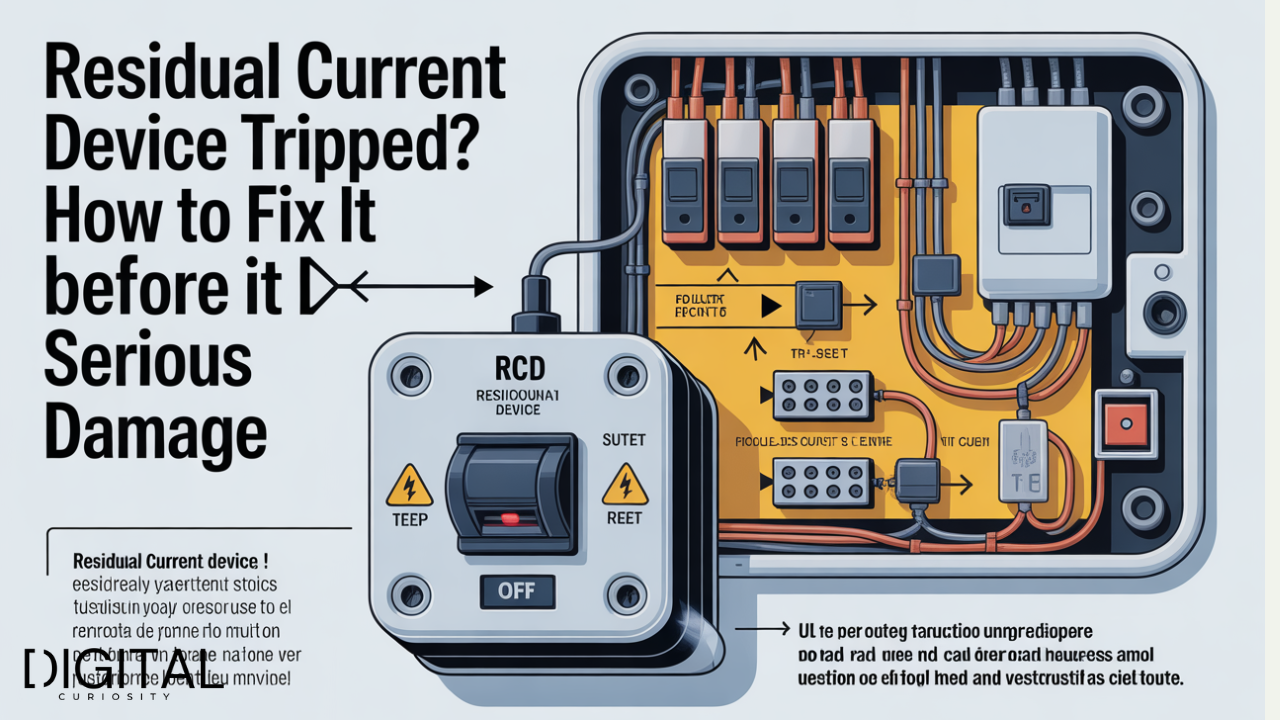
Residual Current Device Tripped? How to Fix It Before It Causes Serious Damage
Introduction: Understanding Why Your Residual Current Device Tripped
If you live in the United Kingdom, you may have experienced a situation where your residual current device tripped, cutting power unexpectedly. Often abbreviated as RCD, this safety mechanism is designed to prevent electric shocks and reduce the risk of fire caused by electrical faults. Despite its importance, many homeowners are unsure why RCDs trip and how to respond safely. Understanding the underlying reasons, preventive measures, and troubleshooting methods can save time, reduce hazards, and ensure your home’s electrical system remains secure. In this article, we explore the causes, solutions, and professional insights surrounding residual current device tripped incidents, supported by research and expert advice.
What is a Residual Current Device?
The Purpose and Function of an RCD
A residual current device is a safety switch designed to detect small leaks of current to earth and disconnect the circuit immediately. Its primary purpose is to protect people from electric shocks, especially in areas where water and electricity may come into contact, such as kitchens and bathrooms. According to electrical safety research, RCDs reduce the risk of electrocution by up to 90% in domestic settings.
How RCDs Work
The device continuously monitors the electrical current flowing through a circuit. If it senses a difference between the live and neutral wires—indicating leakage to earth—it trips automatically, cutting power within milliseconds. This rapid response prevents harm and reduces the likelihood of electrical fires caused by faulty appliances or damaged wiring.
Common Causes of a Residual Current Device Tripped
Faulty Appliances
One of the most frequent reasons a residual current device tripped is the use of faulty appliances. Devices with damaged insulation, internal short circuits, or water ingress can leak current to earth, triggering the RCD. Household items such as kettles, washing machines, and toasters are common culprits.
Electrical Overloads
Overloading a circuit can also cause the RCD to trip. When multiple high-powered devices operate simultaneously on the same circuit, the RCD may disconnect the supply to prevent overheating. While RCDs are primarily designed for safety, they respond to imbalances caused by excessive electrical load as well.
Environmental Factors
Moisture, dampness, or water ingress into sockets, switches, or appliances can lead to residual current leakage. UK homes, especially older properties, are prone to damp conditions, which can increase the likelihood of an RCD tripping.
Wiring Faults
Defective or degraded wiring, loose connections, or exposed conductors can create leakage paths to earth. In these cases, the RCD acts as an early warning system, preventing potential hazards before serious electrical accidents occur.
Troubleshooting a Tripped RCD
Step 1: Identify the Faulty Circuit
When your residual current device tripped, the first step is to identify which circuit has caused the trip. Modern consumer units often indicate which RCD has been activated. If uncertain, turn off all appliances and reset the RCD, then switch on circuits one by one to locate the faulty section.
Step 2: Inspect Appliances and Wiring
Once the affected circuit is identified, inspect connected appliances for signs of damage. Check for frayed cords, exposed wires, or water exposure. If the problem persists after disconnecting all appliances, the fault may lie within the wiring or the RCD itself.
Step 3: Professional Assistance
If troubleshooting does not resolve the issue, it is crucial to consult a qualified electrician. Attempting to repair electrical wiring without proper certification is dangerous and illegal in the UK. Professional electricians can test circuits with specialized equipment to pinpoint faults and repair them safely.
Preventive Measures to Reduce RCD Trips
Regular Appliance Checks
Routine inspection of electrical appliances is essential. Look for damaged cables, water ingress, or signs of overheating. Replacing faulty items early can prevent unnecessary RCD trips and improve household safety.
Proper Circuit Load Management
Distribute high-powered devices across multiple circuits to avoid overloading. UK electrical regulations recommend not exceeding the load capacity specified for each circuit in your consumer unit.
Addressing Damp and Moisture Issues
Ensure that areas prone to dampness, such as bathrooms and kitchens, are properly insulated and ventilated. Installing waterproof electrical fittings and avoiding the use of appliances with wet hands or near water sources can reduce the risk of leakage.
Routine Electrical Inspections
Periodic inspections by certified electricians, especially for older properties, can identify wiring degradation, insulation issues, or other latent faults that may trigger RCD trips. According to research in electrical safety journals, preventive maintenance significantly reduces the frequency of device activations.
Expert Insight
“Residual current devices are the unsung heroes of household electrical safety. They protect lives by acting instantly when current leakage is detected.”
— Dr. James Holden, Electrical Safety Specialist
This underscores the importance of taking every RCD trip seriously, rather than viewing it as a minor inconvenience. RCDs are designed to respond to real electrical faults, and repeated tripping often indicates underlying safety risks that require professional evaluation.
Understanding the Risks
Electrocution
The primary danger that RCDs protect against is electrocution. Even a small leakage of current can cause severe injury or death if it passes through the human body.
Electrical Fires
Faulty wiring or appliances that cause residual current leakage can also lead to overheating and fires. In the UK, electrical faults are a leading cause of house fires, highlighting the critical role of functioning RCDs.
Appliance Damage
Repeated RCD trips can indicate appliance damage, which may worsen over time if ignored. Addressing these issues promptly can save money and prevent further complications.
Advanced Solutions and Upgrades
Modern RCDs and RCBOs
Replacing older RCDs with modern, more sensitive devices can improve reliability and reduce nuisance tripping. Some units, known as RCBOs, combine residual current protection with overcurrent protection, offering enhanced safety.
Smart Home Integration
New smart home electrical systems allow monitoring of current leakage remotely. Notifications can alert homeowners immediately when an RCD trips, enabling quicker intervention.
Energy Efficiency Considerations
Modern devices that monitor current flow and leakage not only improve safety but also contribute to energy efficiency, helping households manage electricity consumption more effectively.
When to Call a Professional
Repeated RCD trips, unexplained activations, or inability to reset the device are signs that professional evaluation is necessary. Certified electricians in the UK can perform comprehensive circuit testing, insulation resistance testing, and appliance inspections to ensure your home is safe. DIY attempts without proper knowledge can be extremely hazardous and may breach electrical regulations.
Conclusion: Maintaining Safety with Residual Current Devices
A residual current device tripped is an important warning that should never be ignored. Understanding the causes, performing basic troubleshooting, and taking preventive measures are essential for maintaining household electrical safety. Regular appliance checks, proper load management, moisture prevention, and periodic professional inspections help ensure your RCD functions correctly. By respecting the role of this critical safety device and consulting experts when needed, UK homeowners can protect both lives and property from electrical hazards.






One Comment